

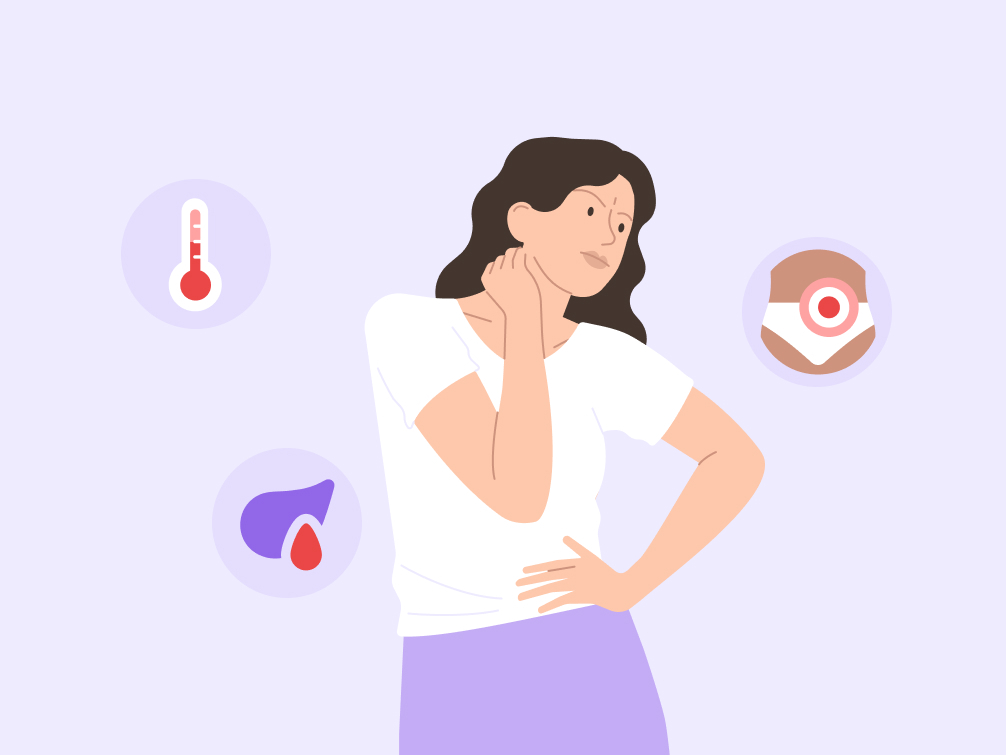
Spotting is light vaginal bleeding that appears as small drops or stains of blood on your underwear or when you wipe—outside of your normal menstrual period. The blood is usually lighter in flow than a period and may be pink, red, or brown in color. While spotting can be harmless, it is your body’s way of signaling that something may be happening internally.
Spotting can occur for several reasons. During ovulation, some women experience slight bleeding due to hormonal changes as the ovary releases an egg. In early pregnancy, spotting may happen when the fertilized egg attaches itself to the lining of the uterus, a process known as implantation bleeding. Starting or changing a contraceptive method—such as birth control pills, injections, implants, or intrauterine devices (IUDs)—can also cause spotting as your body adjusts to new hormone levels.
In some cases, spotting may be linked to health concerns. Sexually transmitted infections (STIs) can irritate the cervix or vaginal walls, leading to light bleeding. Physical injury or irritation to the vagina, which can occur after intercourse or medical examinations, may also result in spotting. Less commonly, spotting can be a sign of hormonal imbalance, stress, or underlying gynecological conditions.
Although occasional spotting may not be serious, it should not be ignored—especially if it happens frequently, comes with pain, a bad odor, itching, or unusual discharge. If you notice spotting and are unsure of the cause, it is important to speak with a healthcare provider. They can assess your symptoms, run necessary tests, and ensure that your reproductive health is well taken care of. Early consultation helps rule out serious conditions and gives you peace of mind.
